
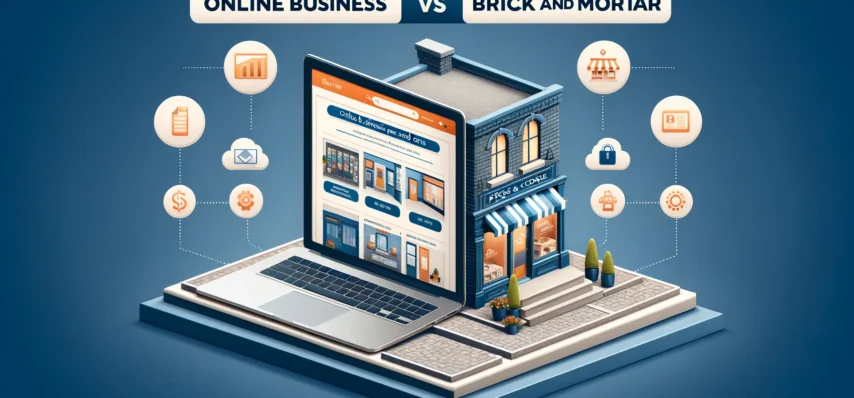
Brick-and-Mortar vs. Mobile Business: Which Model Suits Your Goals?
When starting or buying a business, one of the first major decisions is choosing between a brick-and-mortar location or a mobile business model. Each has its advantages and drawbacks, and the right choice often comes down to your personal lifestyle goals, financial situation, and long-term aspirations. Understanding the unique benefits and limitations of each can help you make the most strategic decision for your future.
A brick-and-mortar business offers a permanent location where customers come to you. This model can provide a sense of stability, consistent foot traffic (depending on location), and the opportunity to build a strong community presence. It’s ideal for businesses that benefit from display space, walk-in customers, or a central hub, such as retail stores, cafes, or salons. However, these businesses also come with significant overhead costs, including rent, utilities, fit-out expenses, and ongoing maintenance, which can create financial pressure, especially in the early stages.
On the other hand, a mobile business, such as a service that visits clients at their home or workplace, offers lower fixed costs, greater flexibility, and access to a broader geographic market. Mobile models can be ideal for trades, home services, pet grooming, or mobile health and wellness businesses. The key benefits include freedom of movement, the ability to set your own schedule, and reduced dependency on a physical shopfront. The trade-offs include the need for reliable transport, more time spent on the road, and potentially higher marketing efforts to stay visible and connected with your customer base.
Ultimately, the decision should be based on what best aligns with your lifestyle. If you value structure, a fixed workspace, and building local community relationships, a brick-and-mortar setup may be a good fit for you. If you’re seeking flexibility, independence, and lower startup costs, a mobile business could be the better fit. Carefully assess your personal goals, financial capabilities, and preferred work style because success isn’t just about the business model; it’s about building a business that works for you.